


As safety professionals, we do have to look out for each other. As much as we can see and observe many of the prominent risks in our workplace, no individual safety officer is perfect. We all miss something.
Why? Because not all risks are tangible and observable immediately. Many hazards and risks of which we should be aware, are more “silent” but can be just as harmful and dangerous if not addressed.
A Psychological Hazard
Addiction can be a major problem at worksites, and the nature of the addiction is almost irrelevant. However, the difference only means the hazards and issues will be observed on different schedules based on the addiction.
There is one addiction that has become quite pervasive, and it’s because of its innocuous beginnings.
Many people get hurt on the job, and many people would rather “play through the pain” and continue working, and that usually means they get a doctor’s prescription for some pain medicine that will allow them to return to work.
The Pain of Painkillers
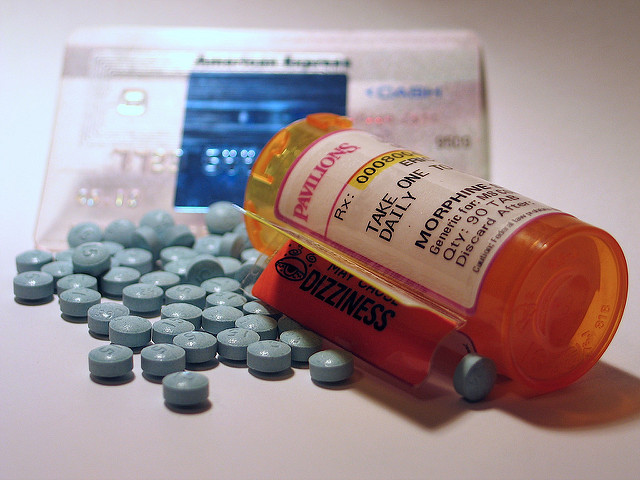
Some of the strongest painkillers are narcotics and are often called opioids. These heavy-narcotic drugs, which can only be obtained via a doctor’s prescription, have ingredients that can be very addictive to certain people, especially those who have a history of alcohol or drug abuse, or those with depression or other related mental or emotional problems.
The issue of opioid addiction in the workplace was the topic of a Professional Safety magazine article recently written by Joseph Semkiu and Eric Lambert. A recent study was quoted in the article, conducted by the Mayo Clinic, which noted that of those who are prescribed opioids for the first time, one in four wind up using their prescriptions for a long-term period – meaning they got addicted and were using the drugs long after the pain was gone.
Which is the Bigger Pain?
There is the selfish pain that we feel after we’ve been hurt, but then there is the pain of what happens when a worker becomes addicted to the painkiller than helped relieved that worker’s selfish pain so he or she could go back t work.
It turns out that those who abuse opioid drugs are at risk of suffering problems like depression, a lack of focus at work and mood changes which can all lead to possible injury of others, not just the person on the drugs. Research has shown that those who use these strong painkillers for longer than a week tend to be twice as likely to become disabled within a year compared to those who do not use painkillers.
So this leads to some introspection and some analysis by workers and safety officers. We all want our workers to be safe, feel safe and be as pain-free as possible. However, we also want our entire workplace to be safe and all our workers to be at maximum productivity and efficiency while at work, so it means toeing that line between an individual’s safety and welfare and the welfare of the workers as a whole.
My next post will delve more into Semkiu and Lambert’s article, but I want to leave you with this question – which do you think is more painful? The physical pain that a worker is enduring, or the pain that he or she could cause by remaining on painkilling medicine?