


For construction workers, pain has become part of the job. It is one of the industries that features a high number of workers who work through pain that come from various worksite injuries.
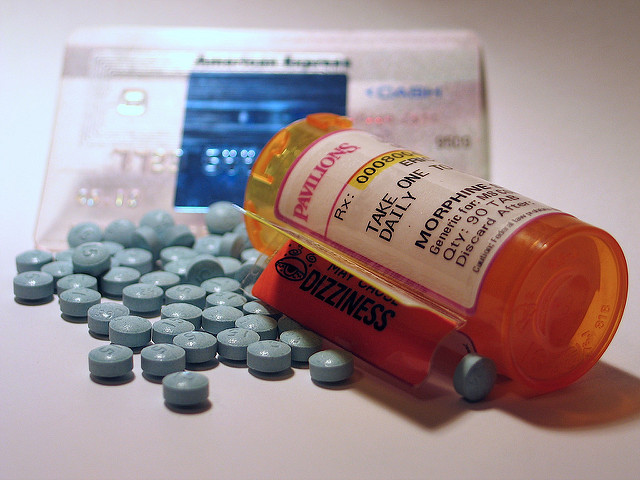
And painkillers, by extension, are a prevalent threat to worksites, especially those highly narcotic drugs called opioids, which are prescribed for intense pain felt by workers. Many of these workers want or need to be working, and they are willing to put their own health and the safety of others at risk by taking painkillers to alleviate the pain to allow them to resume working.
It is one thing to follow the instructions on the prescription, but it’s another when one defies the instructions and/or gets a refill that is unauthorized. And if you are a construction worker who is working through chronic or acute pain from prior injury, you are likely putting yourself at greater risk, and increasing the risk of trouble among your co-workers.
Let’s Answer the Question
In Tuesday’s post, I posed the question about which is more painful – the pain the worker is enduring with the painkillers he or she is taking, or the potential pain caused by that worker who may be addicted to, or at least abusing. these opioid painkilling drugs?
In the article referenced in these posts, written by Joseph Semkiu and Eric Lambert for a recent issue of Professional Safety magazine, a study from Johns Hopkins University was quoted which stated that more than 100,000 people in the last 20 years have died from direct or indirect cause of opioid use and/or abuse.
And it turns out, that those who are most susceptible to abuse these painkilling drugs are those who have a history of alcohol or drug abuse as well as those with mental or emotional problems. With the construction industry being prevalent for workers who work through pain and thus rely on painkillers to get through their shifts, these risk factors are prominent in the industry.
It was reported in a recent study that more than 25 percent of construction workers had these risk factors for opioid abuse, as 16 percent of them had consumed alcohol “heavily” over the previous 30 days, and another 11 percent used some kind of illegal drug during the same time period.
How Great is the Pain?
The pain that others feel when a worker is on the job while under the influence of a narcotic painkiller can be substantial, but it also can inflict pain on the employer’s bottom line.
First, from a co-worker standpoint, workers currently on opioid drugs are moe re likely to be distracted and lack mental sharpness. These drugs have the warnings that no one who takes them should operate any heavy equipment, do any driving , operate a forklift, work at height (like on a scaffold or ladder), and do any jobs that involve precision thinking or concentration. Someone who is at work while taking opioids are putting themselves and others at risk if they try to do their regular job, for obvious reasons.
On the company/employer side, workers who are on opioids because of pain stemming from a workplace injury can dramatically affect companies and their workers’ compensation insurance plans. There has been precedent established in some court cases in recent years that have ruled that employers are to assume financial responsibility for costs and liability associated with workers’ opioid use. Opioids have been known to cause a dramatic spike in workers compensation claims. Over a nine-year period ended in 2011, prescription costs within an average claim went up by 100 percent, and opioid drugs were one-fourth of the costs at the end of that term, in 2011.
And more interesting was the result of a 2012 study, which revealed that workers who were only prescribed one opioid had claim costs that were 300 percent higher than workers with similar claims who did not have opioids prescribed. Imagine the cost increase for workers who were prescribed more than one of these drugs!
Ouch.
So what next? Knowing the pain that can be caused by opioids, the next post will go into action steps to help manage opioids in and around a worksite.